19 May 2026
From Counter to Cloud: Balancing Merchant Account Costs With Secure Terminal Integrations and Ongoing Support Needs
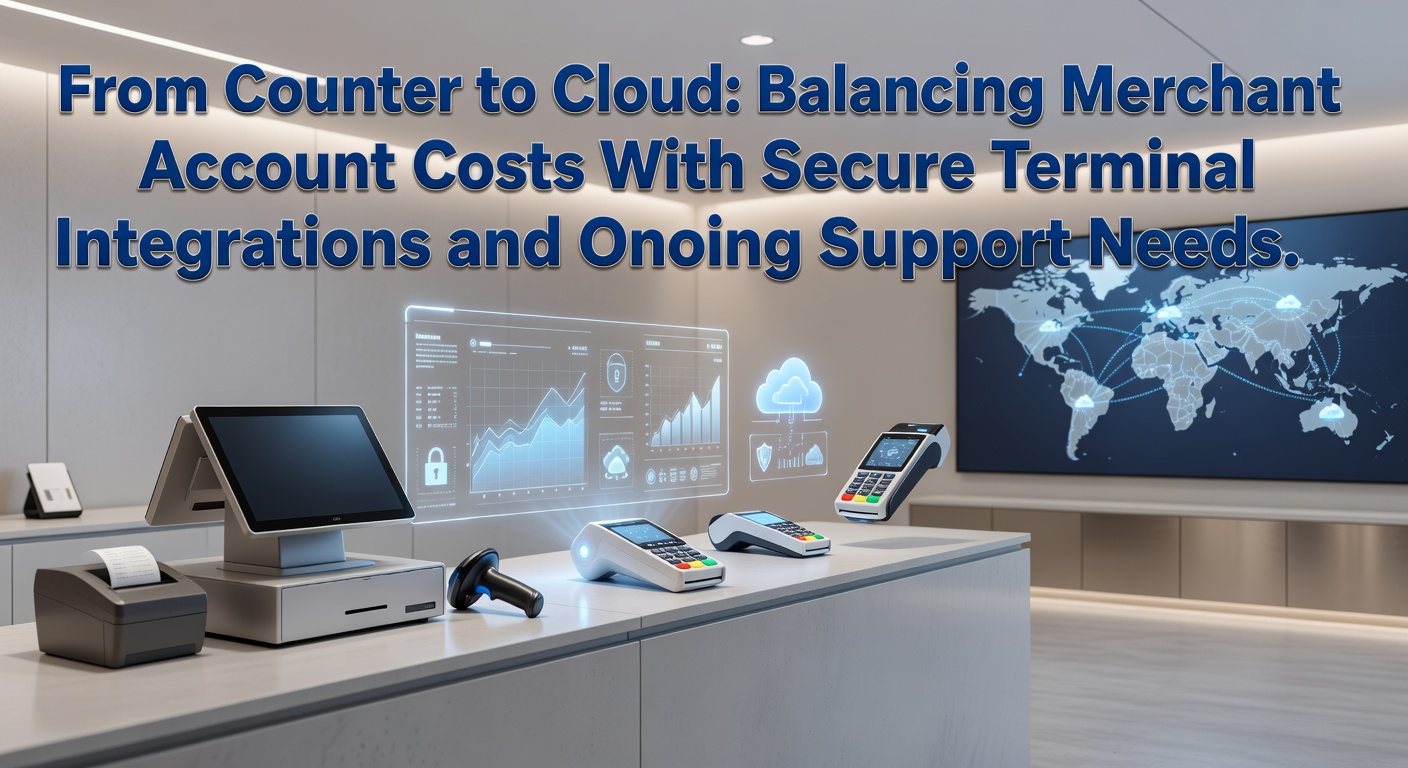
Merchants have moved steadily away from standalone counter terminals toward integrated cloud platforms that connect physical devices with backend processing systems, and this shift brings direct questions about how account fees align with the expenses of secure hardware links plus continuous technical assistance.
Account structures typically include interchange charges set by card networks, processor markups, and monthly service fees that vary based on transaction volume and integration complexity, while terminal setups add layers such as device purchase or lease costs, encryption modules, and API connections that maintain data flows between in-store hardware and remote servers.
Understanding Cost Components in Modern Merchant Accounts
Basic merchant accounts charge per-transaction percentages plus flat fees, yet when terminals integrate with cloud services those percentages often incorporate additional surcharges for real-time authorization and tokenization processes that protect card details during each swipe or tap, according to reports issued by the Federal Reserve on evolving payment system expenses. Observers note that businesses processing under 500 transactions monthly frequently encounter higher effective rates because fixed monthly minimums do not scale down with lower volume, whereas high-volume operations can negotiate blended rates that absorb integration overhead more efficiently.
Terminal hardware choices further affect the equation because legacy countertop units require separate modem or Ethernet connections that incur ongoing carrier fees, while newer cloud-ready devices leverage existing Wi-Fi or cellular networks and reduce those add-ons, although they demand initial investment in certified encryption chips compliant with current standards.
Secure Integrations Between Terminals and Cloud Platforms
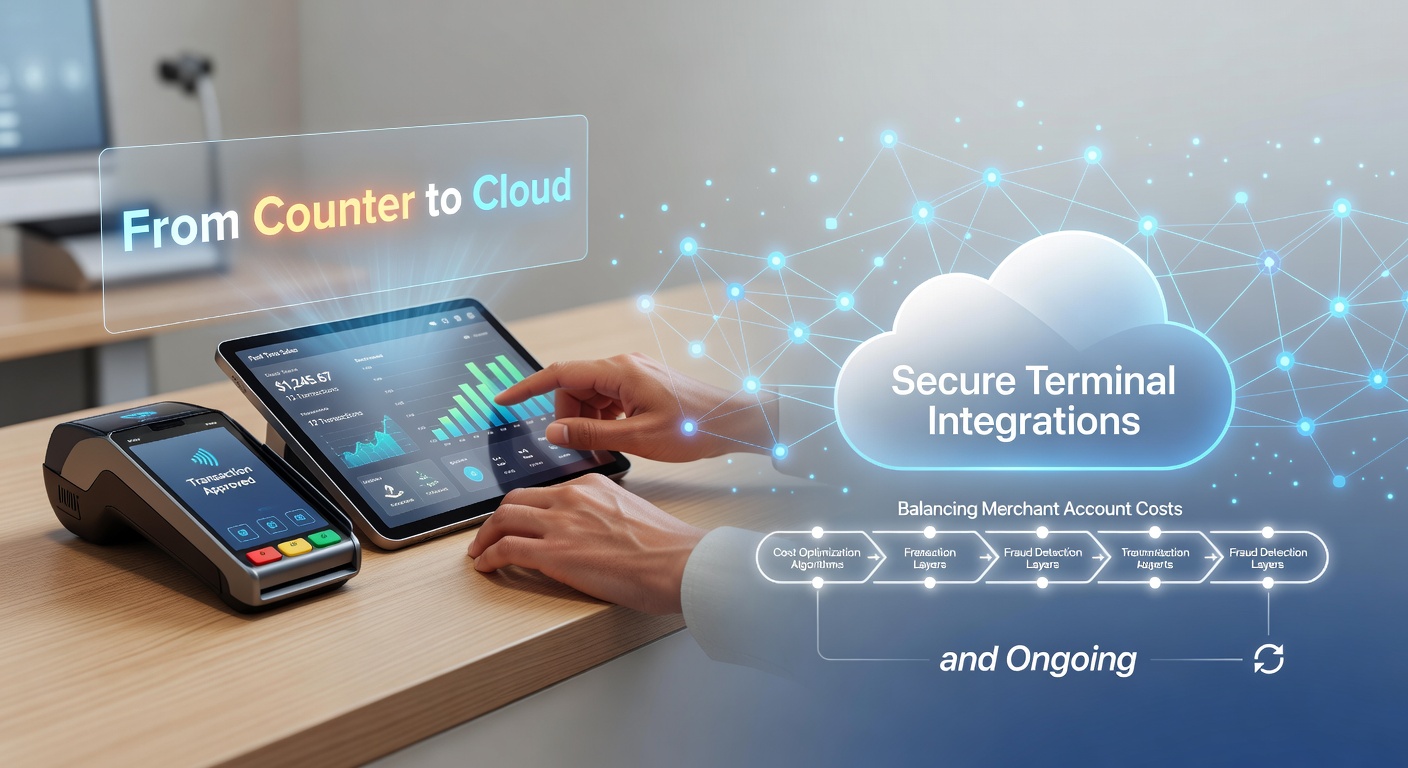
Secure terminal integrations rely on point-to-point encryption combined with tokenization so that card data never resides in plain form on the merchant network, and providers achieve this through certified software development kits that link countertop or mobile devices directly to hosted gateways without exposing sensitive information during transmission. Research from the European Central Bank highlights how these layered protections have reduced certain breach vectors in retail environments since the widespread adoption of EMV chip standards, yet the implementation requires precise configuration to avoid latency that could slow checkout lines.
Businesses that maintain mixed environments, for example pairing older countertop readers with newer tablet-based systems, must ensure uniform security protocols across both so that a single compromised endpoint does not undermine the entire setup, and this uniformity often involves scheduled firmware updates managed through the cloud dashboard rather than manual visits to each location.
Planning for Ongoing Support and Maintenance Requirements
Ongoing support contracts cover software patches that address newly discovered vulnerabilities, help-desk access for transaction disputes, and remote diagnostics that resolve connectivity issues without on-site service calls, and these services usually appear as either tiered monthly packages or usage-based fees tied to the number of active terminals. Data from the Reserve Bank of Australia indicates that merchants who budget for quarterly security audits within their support agreements experience fewer unplanned downtime events compared with those relying solely on reactive troubleshooting, because proactive monitoring catches configuration drift before it affects sales.
Integration partners often bundle compliance assistance into these agreements so that annual certification renewals and staff training modules remain current, particularly as networks introduce new requirements for contactless authentication or mobile wallet handling that affect terminal firmware. Those who studied payment operations across multiple regions find that support response times vary significantly by provider size, with larger networks offering 24-hour coverage through dedicated portals while smaller processors route inquiries through shared queues that may extend resolution windows during peak periods.
Balancing Trade-Offs in May 2026 and Beyond
By May 2026 several card networks plan to phase in stricter terminal certification timelines that will require updated encryption protocols on all devices still communicating with cloud platforms, and merchants evaluating account options now can factor those deadlines into contract negotiations to avoid last-minute upgrade expenses. Figures released in industry analyses show that leasing cloud-integrated terminals rather than purchasing them outright spreads hardware costs over 36-month cycles while including replacement guarantees if devices fail security audits, although total outlay depends on whether the lease covers data plan charges or treats connectivity as a separate line item.
Observers tracking payment trends note that hybrid models, where countertop terminals handle high-volume locations and mobile cloud devices cover pop-up events, allow operators to match device types to specific revenue streams and thereby keep per-transaction costs closer to baseline interchange rates without extra integration premiums. This approach also simplifies support planning because a single cloud management console can push updates to both device classes simultaneously, reducing the administrative overhead that separate legacy systems once demanded.
Conclusion
The transition from counter-based terminals to cloud-connected systems ultimately hinges on aligning account fee structures with the real costs of certified integrations and reliable support arrangements, and organizations that map these elements against projected transaction volumes and regulatory timelines position themselves to maintain both security and operational efficiency without disproportionate overhead. Data continues to evolve as networks introduce new standards, yet the core requirement remains consistent evaluation of how each component contributes to the total cost of accepting payments.