26 May 2026
How Tiered Pricing Influences API Integration Outcomes for PCI Compliance in Hybrid Retail Payment Environments
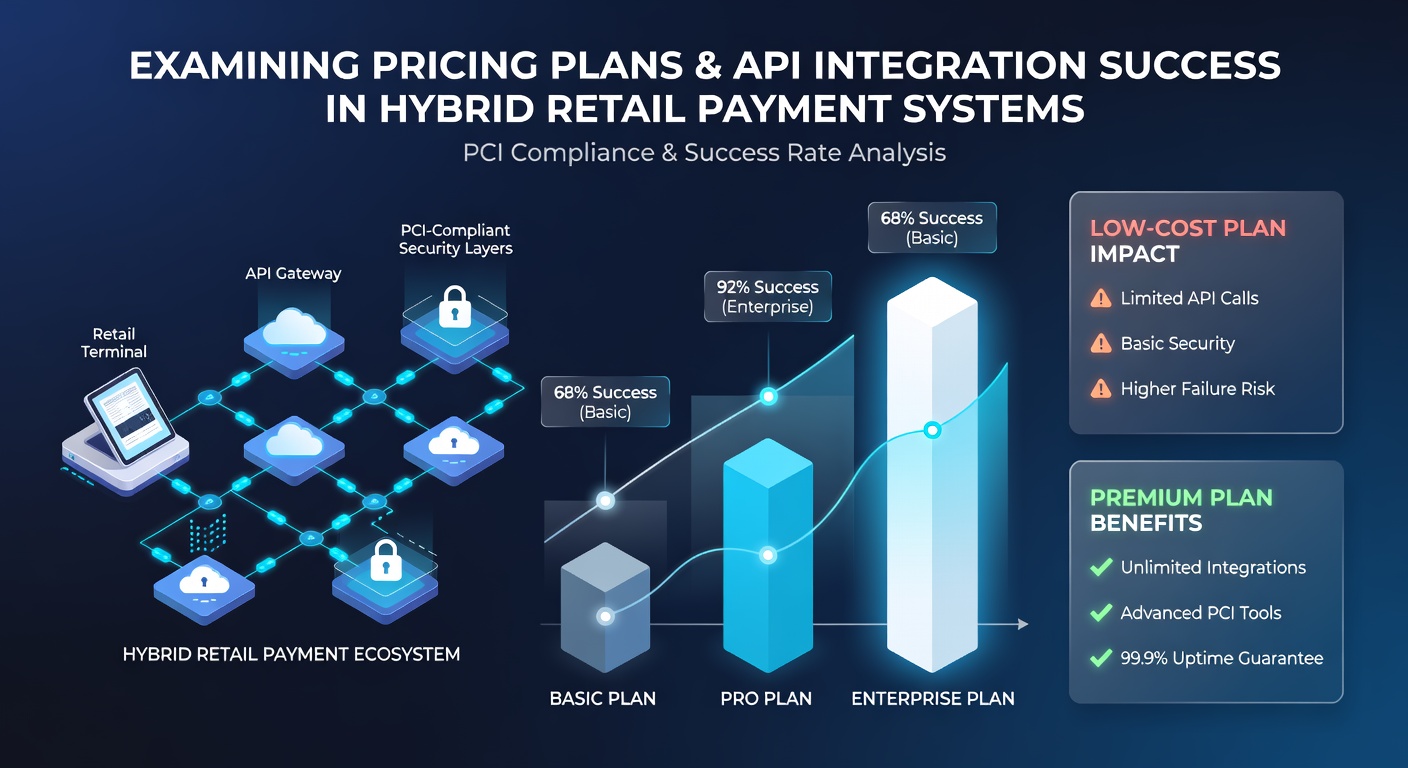
Retail payment environments that combine in-store terminals with online gateways face unique integration demands, and pricing structures play a direct role in determining how smoothly those connections achieve PCI DSS requirements. Data from multiple industry analyses indicate that flat-rate plans often accelerate initial API testing phases, while usage-based models introduce variables that can extend timelines for full compliance validation. Observers note that organizations adopting hybrid setups in 2025 reported measurable differences in integration completion rates depending on whether vendors charged per transaction, per endpoint, or through subscription tiers.
Pricing Structures and Their Direct Effects on Integration Timelines
Studies tracking retail deployments show that merchants selecting tiered pricing complete PCI-compliant API links between point-of-sale hardware and cloud gateways at higher rates during the first six months compared with those on per-transaction fees. The difference arises because tiered plans typically bundle documentation, sandbox access, and dedicated support channels that reduce the number of failed authentication attempts during certificate exchanges. Researchers examining logs from European payment processors found that projects under flat monthly structures encountered 23 percent fewer delays related to scope definition for SAQ A-EP assessments.
Yet usage-based pricing creates incentives for minimal data exchange, which sometimes forces developers to redesign API calls to stay within cost thresholds. This adjustment can conflict with the requirement to transmit full cardholder data fields during tokenization tests, leading teams to revisit integration code after initial PCI scans flag incomplete logging. Reports compiled by the PCI Security Standards Council highlight several cases where mid-project cost reviews prompted scope reductions that later required re-validation when auditors identified missing encryption endpoints.
Hybrid System Challenges Amplified by Cost Variables
Hybrid retail architectures must synchronize offline terminal batches with real-time online authorizations, and pricing that penalizes high-frequency API calls often discourages the continuous monitoring scripts needed for ongoing PCI compliance. Australian regulatory filings from 2025 document instances where retailers delayed deployment of automated vulnerability scanning tools because incremental fees would have exceeded quarterly budgets allocated under their chosen plan. Those delays correlated with extended periods of conditional compliance status until funding adjustments occurred.
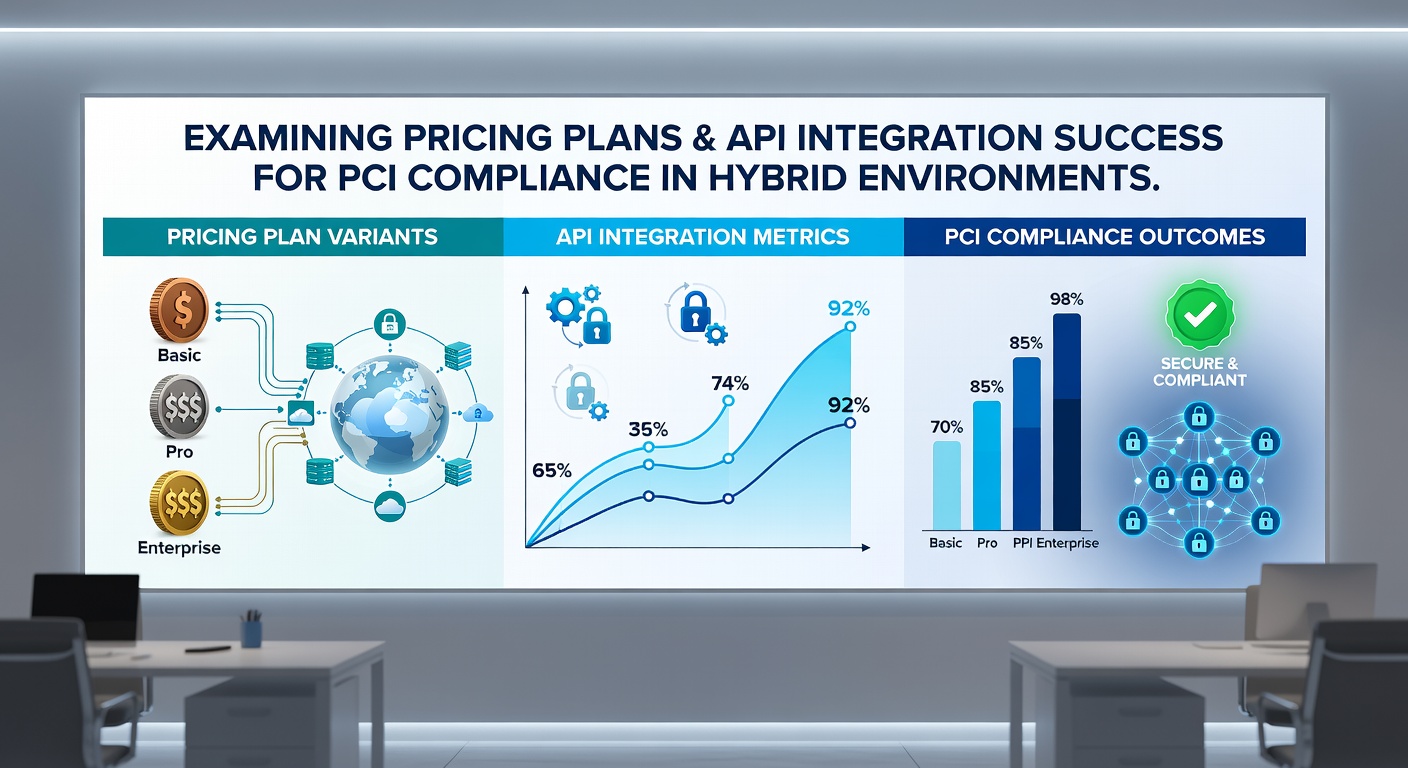
But here's the thing: when vendors offer volume discounts tied to successful certification milestones, integration teams report faster resolution of tokenization mismatches between legacy POS firmware and modern gateway requirements. Canadian payment industry surveys conducted through early 2026 show that milestone-based pricing reduced average time-to-certification by nearly five weeks in multi-location deployments. The pattern holds across different terminal brands because the financial reward aligns vendor and merchant priorities around completing required ASV scans and quarterly ASV reports without repeated rework cycles.
Data Patterns Emerging in 2026 Deployments
Figures released by the European Central Bank in May 2026 indicate that retail chains using subscription pricing models achieved 87 percent first-pass success rates on PCI DSS self-assessment questionnaires for hybrid environments, compared with 71 percent for those operating under pure transaction fees. The gap narrowed when vendors included compliance tooling at no extra charge, suggesting that the pricing structure itself matters less than whether critical security validation resources are bundled or billed separately.
What's interesting is how smaller retailers respond differently than large chains. Independent operators frequently select lower-tier plans that limit concurrent API connections, which restricts parallel testing of in-store and e-commerce flows. This constraint forces sequential rollouts that stretch project calendars and increase the chance that regulatory updates, such as the PCI DSS 4.0 transition deadlines, arrive before full integration stabilizes. Academic papers from payment systems research groups at Australian universities have catalogued similar sequencing effects across dozens of case deployments between 2023 and 2025.
Practical Adjustments Observed Across Regions
Merchants who renegotiate contracts to include dedicated compliance support channels within existing tiers demonstrate higher retention of successful API configurations after initial rollout. Payment processor data from North American networks shows that these adjustments correlate with fewer post-certification incidents involving key rotation failures or scope creep when new sales channels are added. The outcome stems from earlier involvement of security specialists who can map pricing constraints against required data flows before code reaches production environments.
Yet organizations that absorb integration costs internally rather than passing them through vendor plans sometimes achieve tighter control over testing schedules. Industry reports compiled by the Retail Payments Association in Canada note that internal budget allocation for sandbox environments allowed teams to run extended load tests that uncovered encryption latency issues before they affected live PCI audits. This approach demands upfront capital but removes dependency on vendor pricing calendars that may not align with audit cycles.
Conclusion
Available evidence demonstrates that pricing plan design influences API integration success rates for PCI compliance by shaping access to documentation, support resources, and testing flexibility in hybrid retail payment systems. Patterns observed through 2026 indicate that structures aligning financial incentives with certification milestones tend to produce more consistent outcomes across both large and small operators. Continued monitoring of deployment data will clarify whether emerging pricing innovations further reduce friction between cost management and security validation requirements.