9 Jun 2026
Interplay Dynamics: Support Standards and Pricing Models in Hybrid Payment Security Frameworks
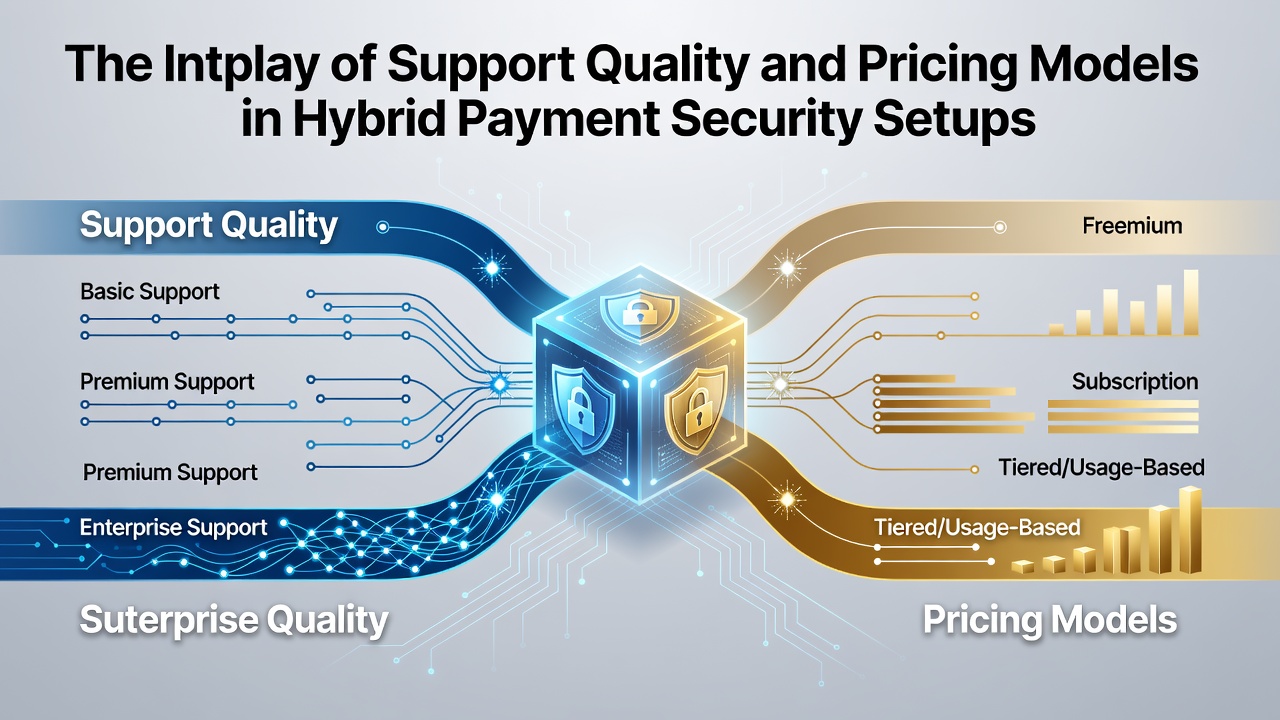
Hybrid payment security setups combine physical point-of-sale terminals with online gateways, and these configurations require careful coordination between support services and cost structures to maintain compliance while processing transactions across channels. Data from industry reports shows that businesses operating such systems often allocate resources to both real-time monitoring tools and dedicated assistance teams, which directly affects overall expenses in ways that vary by provider and transaction volume.
Core Elements of Hybrid Configurations
Hybrid setups integrate card-present and card-not-present processing, which creates needs for unified security protocols that address vulnerabilities in both environments simultaneously. Researchers at various institutions have documented how these systems rely on API connections to synchronize data flows, and this synchronization demands ongoing technical oversight to prevent breaches during peak periods. Organizations that manage multiple channels report that support teams handle everything from initial terminal configuration to software updates, while pricing models determine whether those services come bundled or billed separately.
Evidence suggests that support quality influences system uptime because rapid response to integration issues reduces downtime that might otherwise lead to lost sales or compliance violations. In June 2026, several regulatory updates across regions are expected to emphasize continuous monitoring requirements, which will likely increase the value placed on high-tier assistance packages within hybrid environments.
Support Quality Considerations
Support structures range from basic email ticketing to 24-hour dedicated account managers, and the level chosen often correlates with the complexity of a merchant's hybrid operations. Studies indicate that teams with specialized knowledge in both PCI DSS requirements and multi-channel fraud detection deliver faster resolutions during security incidents. Those who have examined implementation cases note that providers offering proactive alerts about potential vulnerabilities tend to reduce the frequency of major disruptions compared to reactive-only models.
Training programs included in premium support tiers help staff understand evolving threats, whereas basic packages may limit users to self-service resources that require more internal expertise. Observers note patterns where businesses scaling hybrid systems benefit from providers whose support scales alongside transaction growth without requiring separate contracts for each channel.
Pricing Model Variations
Pricing approaches in this space include per-transaction fees, monthly subscriptions for security features, and tiered structures based on volume or support access levels. Figures reveal that subscription-based models often incorporate bundled support hours, which can stabilize costs for merchants with predictable processing needs while variable transaction fees fluctuate with seasonal activity. Data shows some providers charge premiums for advanced encryption tools and real-time analytics, yet these additions frequently offset expenses related to breach remediation when properly implemented.
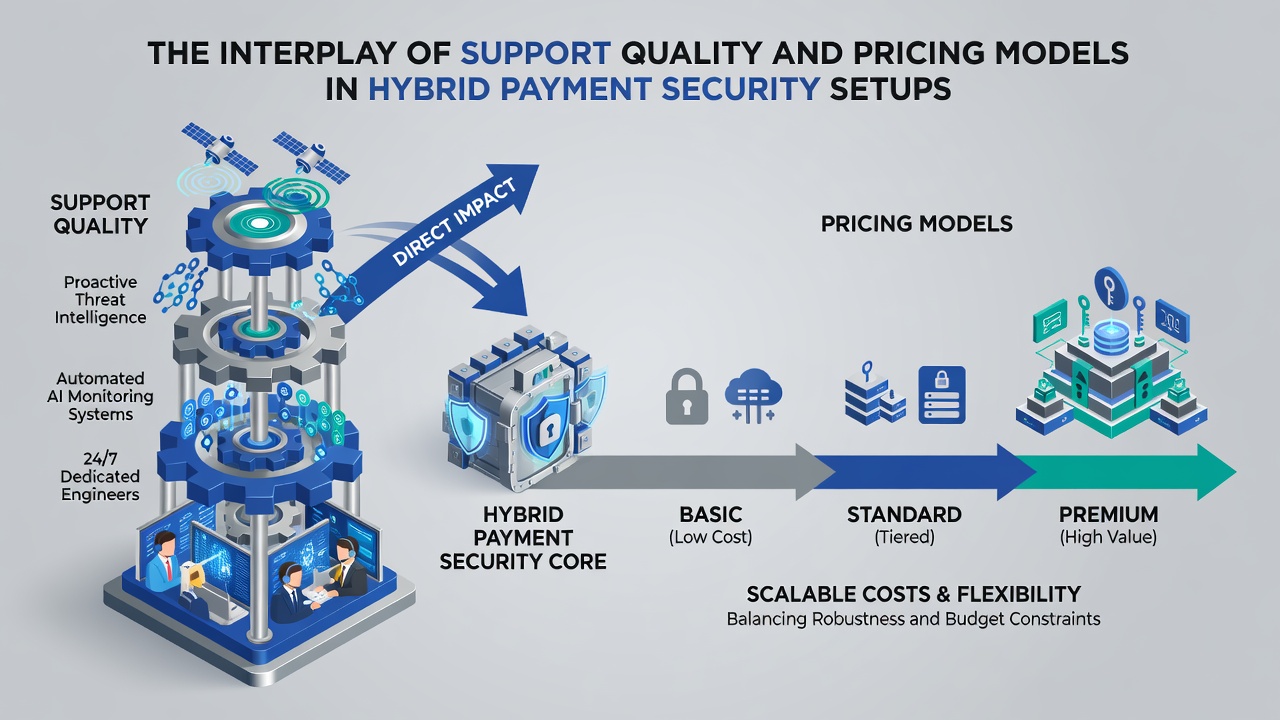
One analysis from the European Central Bank highlights how cost structures differ across markets depending on whether support is priced as an add-on or integrated into base rates. Merchants evaluating options frequently compare total ownership costs that factor in both direct fees and indirect expenses from support delays or compliance gaps.
Interactions Between Support and Pricing
The relationship between these factors becomes evident when providers adjust fee schedules based on the intensity of assistance required, such as offering discounts for longer contracts that include priority support. Research indicates that hybrid setups with complex integrations tend to incur higher initial setup costs, yet ongoing support quality can lower long-term expenditures by minimizing manual interventions and audit preparation time. Providers that tie pricing incentives to performance metrics like response times create alignments where merchants pay more only when receiving measurable value.
Case examples demonstrate that organizations selecting mid-tier pricing with enhanced support access often achieve better compliance outcomes than those opting for the lowest fees paired with limited assistance. Patterns emerge where transparent pricing that clearly separates security tool costs from support fees enables more accurate budgeting across different business sizes and transaction profiles.
Conclusion
Hybrid payment security setups continue to evolve as support quality and pricing models adapt to regulatory shifts and technological advances expected through 2026 and beyond. Information from sources like the PCI Security Standards Council underscores the importance of aligning these elements to sustain secure multi-channel operations without unnecessary cost escalations. Businesses benefit from evaluating providers through this combined lens, which reveals how effective support paired with appropriate pricing sustains both security and operational efficiency over time.