Seamless Bridges: Real-World API Integrations Linking POS Terminals to Online Payment Gateways
21 Apr 2026
Seamless Bridges: Real-World API Integrations Linking POS Terminals to Online Payment Gateways
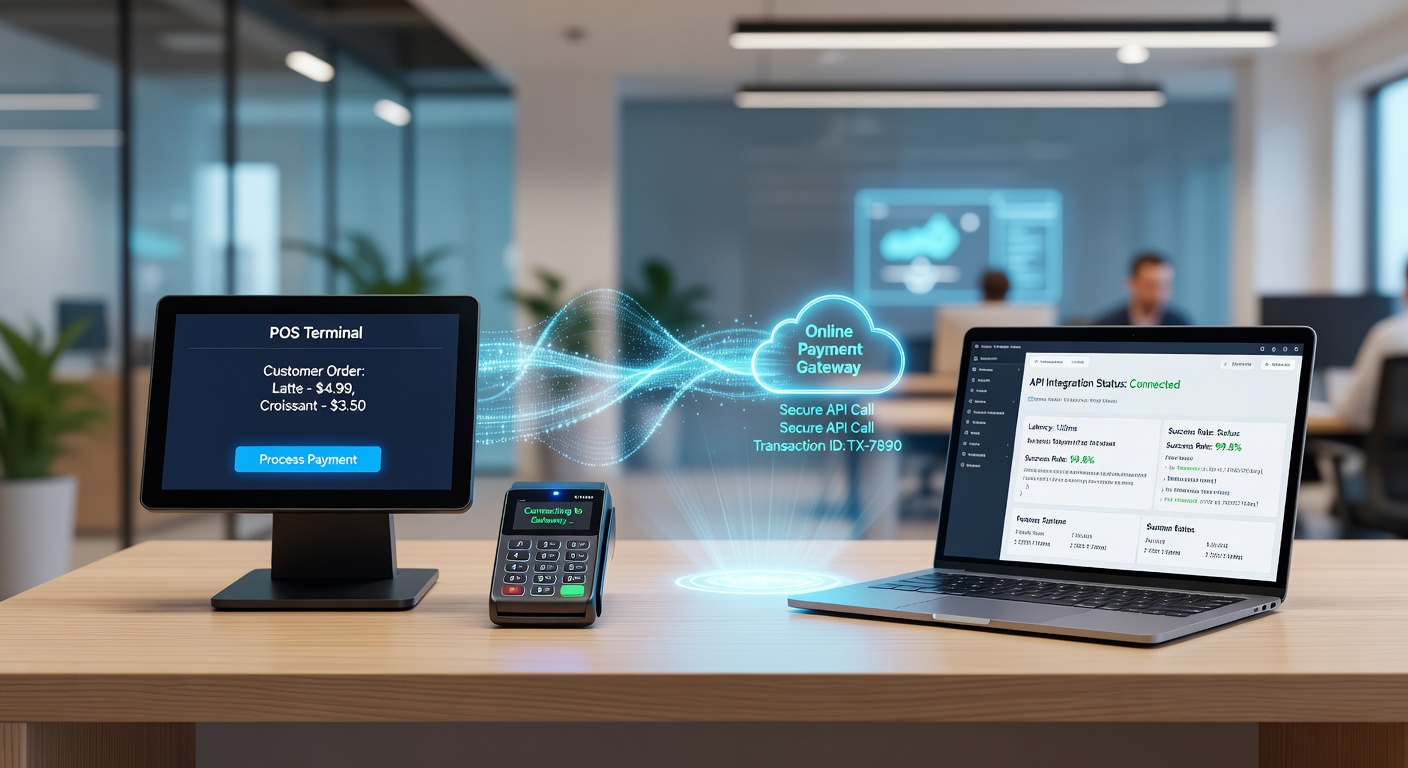
Businesses today juggle physical storefronts and digital sales channels, so linking point-of-sale (POS) systems with online payment gateways through APIs has become essential for unified operations; this integration allows real-time transaction syncing, inventory updates, and seamless customer experiences across platforms.
Understanding the Core Components
POS systems handle in-person payments via card readers, cash drawers, and touchscreens, while online payment gateways like Stripe, PayPal, or Adyen process digital transactions securely over the internet; APIs—application programming interfaces—act as the translators between these worlds, enabling data exchange in formats like JSON or XML so that a sale at the counter instantly reflects online and vice versa.
Take a retail chain with brick-and-mortar stores: when a customer swipes a card at the POS, the API pushes that data to the gateway for authorization, fraud checks, and settlement, all while updating the e-commerce backend; experts at the PCI Security Standards Council emphasize how such integrations must adhere to strict tokenization standards to protect sensitive card data during transit.
What's interesting is the variety of POS hardware involved— from Square's compact readers to Lightspeed's full retail suites—each requiring custom API endpoints tailored to the gateway's specifications; developers often start with RESTful APIs for their simplicity, using HTTP methods like POST for transactions and GET for status queries, which keeps latency low even during peak hours.
Real-World Case Studies in Action
A mid-sized coffee shop chain in the US integrated its Clover POS with Square's online gateway via API in 2024, resulting in a 25% drop in reconciliation errors because every tap-and-go payment synced automatically to the web dashboard; observers note how the API webhook notifications alerted staff to low inventory mid-shift, preventing stockouts that previously cost hours of manual adjustments.
Over in Europe, a fashion retailer connected its SumUp POS terminals to Mollie’s gateway using GraphQL APIs for more flexible queries, allowing dynamic fetching of customer loyalty data during checkout; this setup handled multilingual transactions across borders, complying with PSD2 strong customer authentication mandates from the European Commission.
And consider a Canadian restaurant group that bridged its TouchBistro POS with Moneris online services; the API integration not only processed EMV chip payments but also routed refunds through a single pipeline, cutting processing times from days to minutes; data from industry reports shows such links boost cash flow by accelerating settlements up to 40% faster.
Technical Steps for Successful Integration
Developers begin by obtaining API keys from both POS vendors and gateways—think sandbox environments for testing before going live—then map data fields like amount, currency, and customer ID across systems; authentication via OAuth 2.0 or API tokens ensures secure handshakes, while rate limiting prevents overload during Black Friday rushes.
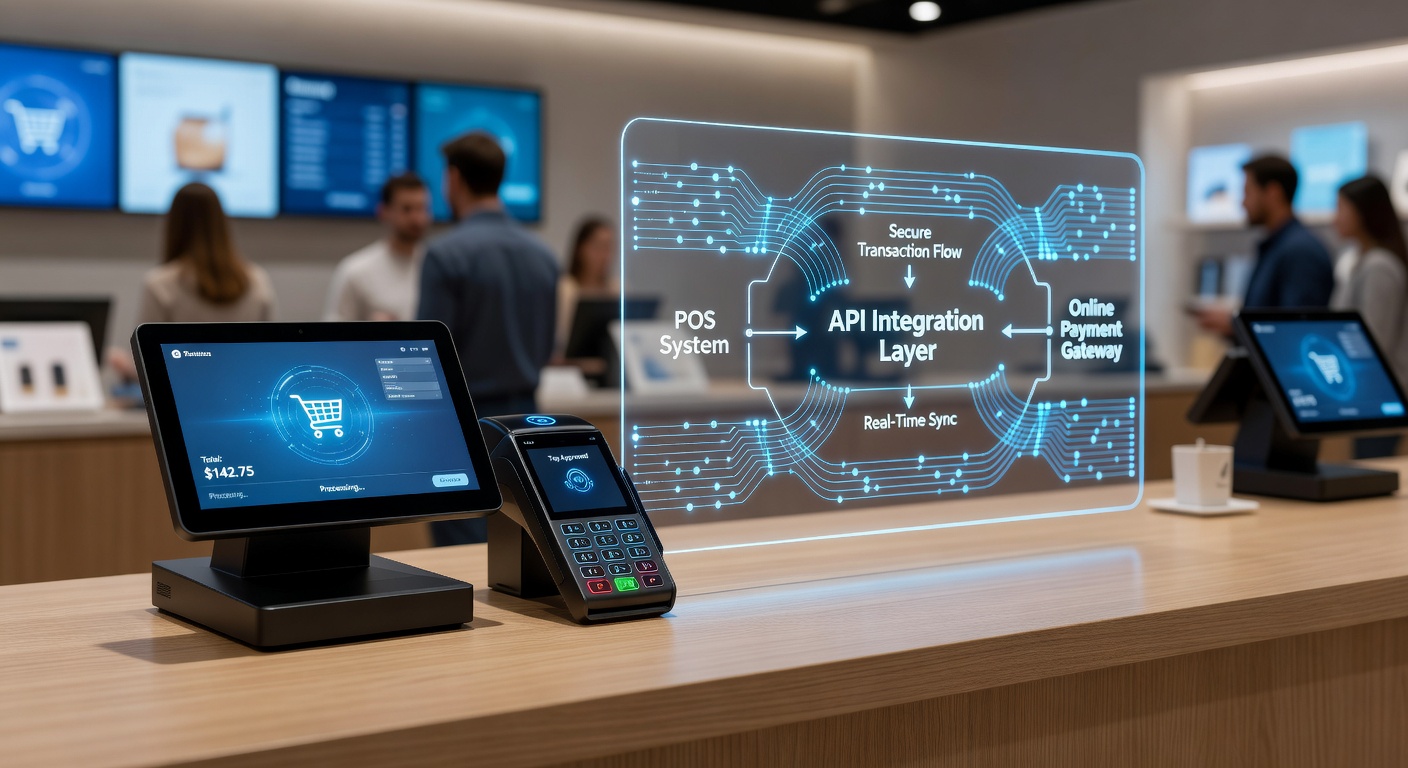
But here's the thing: error handling makes or breaks these setups; robust code catches timeouts or declined transactions, logging them via tools like Sentry for quick debugging, and retries failed syncs with exponential backoff; one study from a tech conference revealed that 70% of integration failures stem from unhandled network glitches, underscoring the need for asynchronous processing with message queues like RabbitMQ.
Scalability enters the picture too, especially for high-volume merchants; cloud-based gateways scale effortlessly, but POS APIs might cap at 100 calls per minute, so batching transactions—grouping multiple sales into one API call—becomes crucial; those who've implemented this often discover smoother operations during surges.
Navigating Security and Compliance Hurdles
Security tops the list because APIs expose endpoints to potential attacks like injection or DDoS; gateways enforce TLS 1.3 encryption and mutual TLS for bidirectional verification, while POS integrations demand scoped permissions—granting read-only access where possible; figures from cybersecurity firms indicate that properly secured API links reduce breach risks by 60% compared to siloed systems.
Compliance weaves through every layer: PCI DSS version 4.0, effective since 2024, mandates API logging for six months and quarterly vulnerability scans; in Australia, APCA standards require similar audit trails for real-time payments, ensuring gateways like Tyro align seamlessly with local POS like Pin Payments.
Turns out, tokenization services from providers like TokenEx vault card data off-device, swapping it for tokens that APIs shuttle safely; experts who've audited these setups highlight how zero-knowledge proofs add an extra layer, verifying transactions without revealing details.
Common Pitfalls and Proven Fixes
Version mismatches plague many projects— a POS on API v1.2 clashing with a gateway's v2.0—so pinning compatible versions and subscribing to changelogs keeps things aligned; latency spikes from geographic distances hit international chains, but CDNs or regional API proxies mitigate that effectively.
One retailer overlooked idempotency keys, leading to duplicate charges during retries; adding unique keys per transaction ID fixed it instantly, a trick developers now swear by; and while testing in production seems tempting, staging environments with mock gateways catch 90% of issues upfront, per developer surveys.
Customization shines in hybrid models: omnichannel stores use APIs to unify buy-online-pickup-in-store flows, where an online prepayment authorizes at POS pickup; this not only cuts fraud but streamlines fulfillment, as real-world deployments confirm.
Emerging Trends Shaping the Future
April 2026 brings updates from Visa's Developer Platform, rolling out AI-enhanced APIs that predict fraud in real-time across POS and online channels; these integrate with machine learning models analyzing patterns from millions of transactions, flagging anomalies before settlement.
Tap-to-pay advancements via NFC APIs link mobile POS like Square Terminal directly to gateways, bypassing traditional hardware; blockchain-based settlements, though nascent, promise instant cross-border payouts through APIs like Ripple's On-Demand Liquidity.
What's significant is the push toward headless commerce, where APIs decouple frontends from backends entirely; retailers adopting this report 30% faster checkouts, with POS acting as just another client in a unified ecosystem.
Conclusion
Linking POS systems with online payment gateways via APIs transforms fragmented operations into cohesive payment ecosystems, driving efficiency, security, and growth; businesses that master these integrations—from technical mapping to compliance—position themselves ahead in a digital-first landscape, where seamless transactions define customer loyalty and operational success.
Observers predict that by 2027, 85% of merchants will rely on such unified APIs, based on projections from payments analysts; the path forward involves staying agile with evolving standards, testing rigorously, and leveraging vendor tools, ensuring every sale—physical or virtual—flows without friction.