Support Networks as Shields: How Response Protocols in Customer Assistance Drive Fraud Prevention Across Merchant Account Setups and Gateway Configurations
Written by Paul Hartmann · Aug 22, 2026
Support Networks as Shields: How Response Protocols in Customer Assistance Drive Fraud Prevention Across Merchant Account Setups and Gateway Configurations
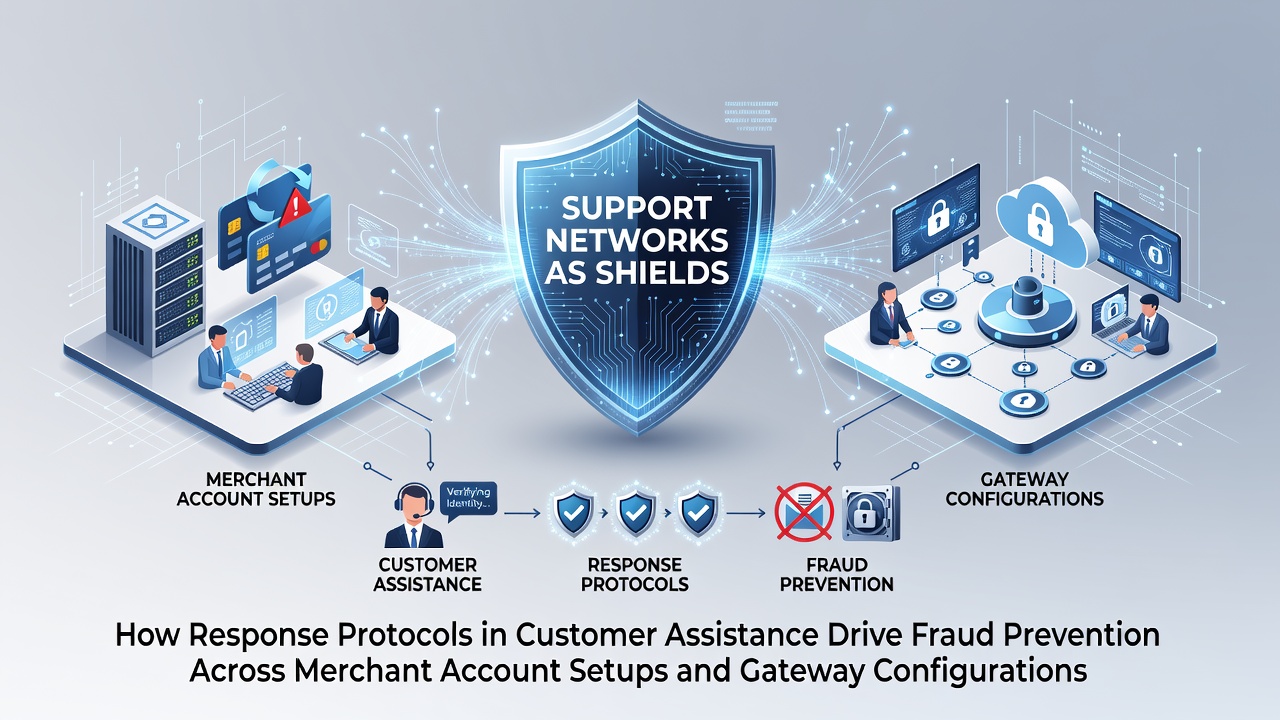
Response protocols within customer assistance teams function as active barriers against fraudulent activity during merchant account setups and gateway configurations, where early detection often determines whether suspicious patterns escalate into actual losses. Research from regulatory bodies shows that structured support interactions catch anomalies in verification data before accounts become fully operational, particularly when agents follow standardized escalation paths tied to transaction monitoring systems.
Verification Steps in Merchant Account Onboarding
Merchant account applications require multiple layers of identity confirmation, and customer assistance staff apply response protocols that flag inconsistencies in submitted documentation such as mismatched business addresses or unusual ownership structures. Data indicates these checks occur within the first 24 to 48 hours of submission, allowing teams to request additional verification through secure channels rather than approving setups that later trigger chargebacks. Observers note that protocols emphasize real-time collaboration between support personnel and risk analysts, which reduces the window for bad actors to exploit incomplete records.
Gateway Configuration Safeguards
Payment gateway setups involve API integrations and rule-based controls that support teams help calibrate based on merchant-specific risk profiles. When assistance representatives respond to configuration queries, they cross-reference merchant history against known fraud indicators, including rapid changes in IP addresses or mismatched billing details. According to reports from the European Banking Authority, gateways configured with input from trained support staff show measurable reductions in unauthorized transaction attempts during initial rollout phases.
Role of Escalation Protocols in Early Detection
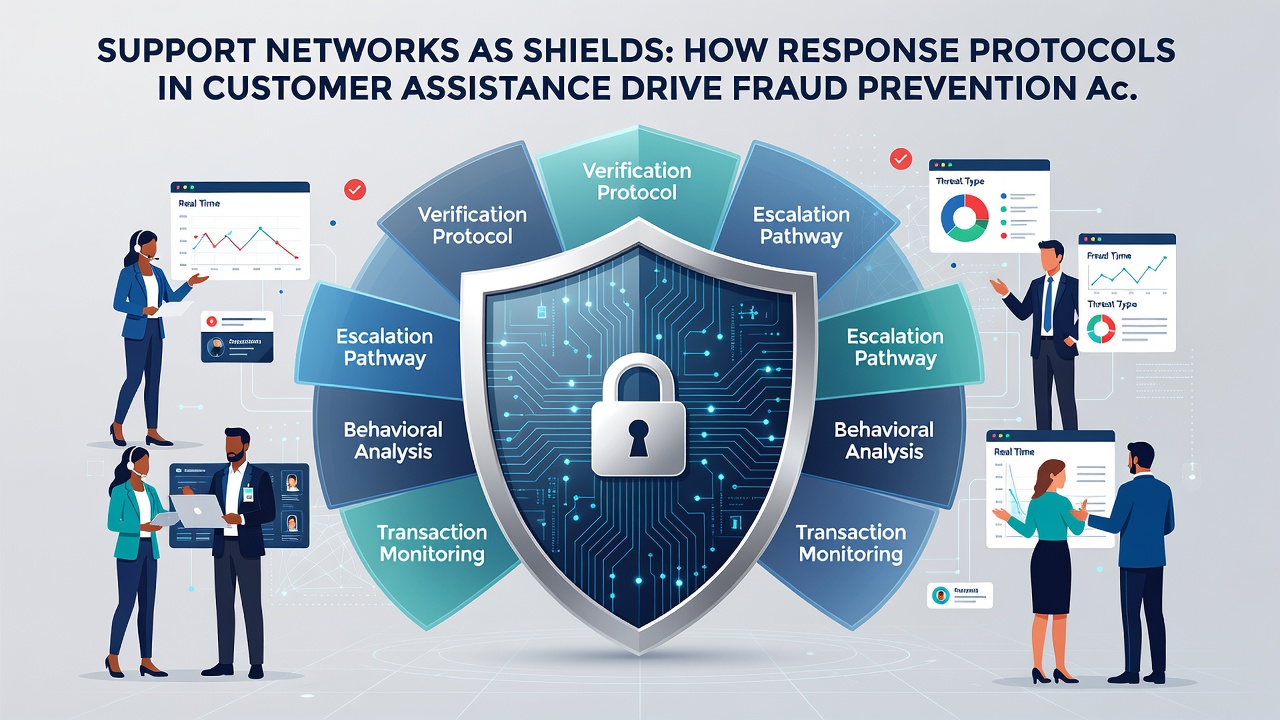
Customer assistance protocols establish clear timelines for escalating potential fraud signals, such as repeated failed verification attempts or unusual volume spikes shortly after account activation. These procedures connect directly to gateway monitoring dashboards, enabling technicians to adjust velocity limits or require additional authentication steps without disrupting legitimate operations. One documented case involved a mid-sized retailer whose support interaction revealed coordinated test transactions, prompting immediate configuration adjustments that prevented subsequent losses estimated in the tens of thousands.
Training programs for assistance teams incorporate scenario-based modules focused on recognizing social engineering tactics aimed at bypassing gateway security settings. Staff learn to document every interaction detail in centralized systems that feed into broader fraud analytics platforms. Figures from the Australian Competition and Consumer Commission reveal that organizations maintaining consistent protocol adherence across support departments report fewer successful account takeovers during the critical first 90 days after merchant onboarding.
Integration with Broader Monitoring Systems
Response protocols do not operate in isolation but link customer assistance records to automated alerts generated by payment processors. When an agent identifies a discrepancy during a routine support call, the protocol routes that information into the same system used for gateway traffic analysis. This creates a continuous feedback loop where human observations refine algorithmic thresholds over time. Studies compiled by the Federal Trade Commission highlight how such combined approaches correlate with lower dispute ratios across multi-channel merchants who maintain active support involvement throughout configuration phases.
In August 2026, updates to cross-border payment standards are expected to emphasize enhanced support documentation requirements during gateway reconfigurations, particularly for merchants operating across multiple jurisdictions. These changes build on existing frameworks that already tie response speed metrics to overall compliance scores. Teams that document every protocol activation contribute data points that help refine industry benchmarks for fraud prevention effectiveness.
Practical Application Across Different Merchant Types
High-volume e-commerce merchants benefit when support protocols prioritize rapid review of configuration changes requested after initial setup, since these moments often coincide with attempts to weaken fraud filters. Brick-and-mortar retailers transitioning to hybrid models similarly rely on assistance teams to validate terminal integrations against gateway rules before live deployment. Research indicates that consistent protocol application across both segments reduces the incidence of account freezes caused by undetected configuration errors that fraudsters later exploit.
Conclusion
Support networks function as operational shields when response protocols remain tightly integrated with merchant account verification and gateway configuration processes. Evidence from multiple regulatory sources demonstrates that timely, documented assistance interactions contribute directly to lower fraud exposure across diverse merchant environments. Organizations that maintain these connections between human response systems and technical controls position themselves to address emerging threats as payment infrastructures continue evolving through 2026 and beyond.