2 Jun 2026
Tracing Integration Pathways: Linking Merchant Onboarding Costs to Real-Time Monitoring in Multi-Channel Retail
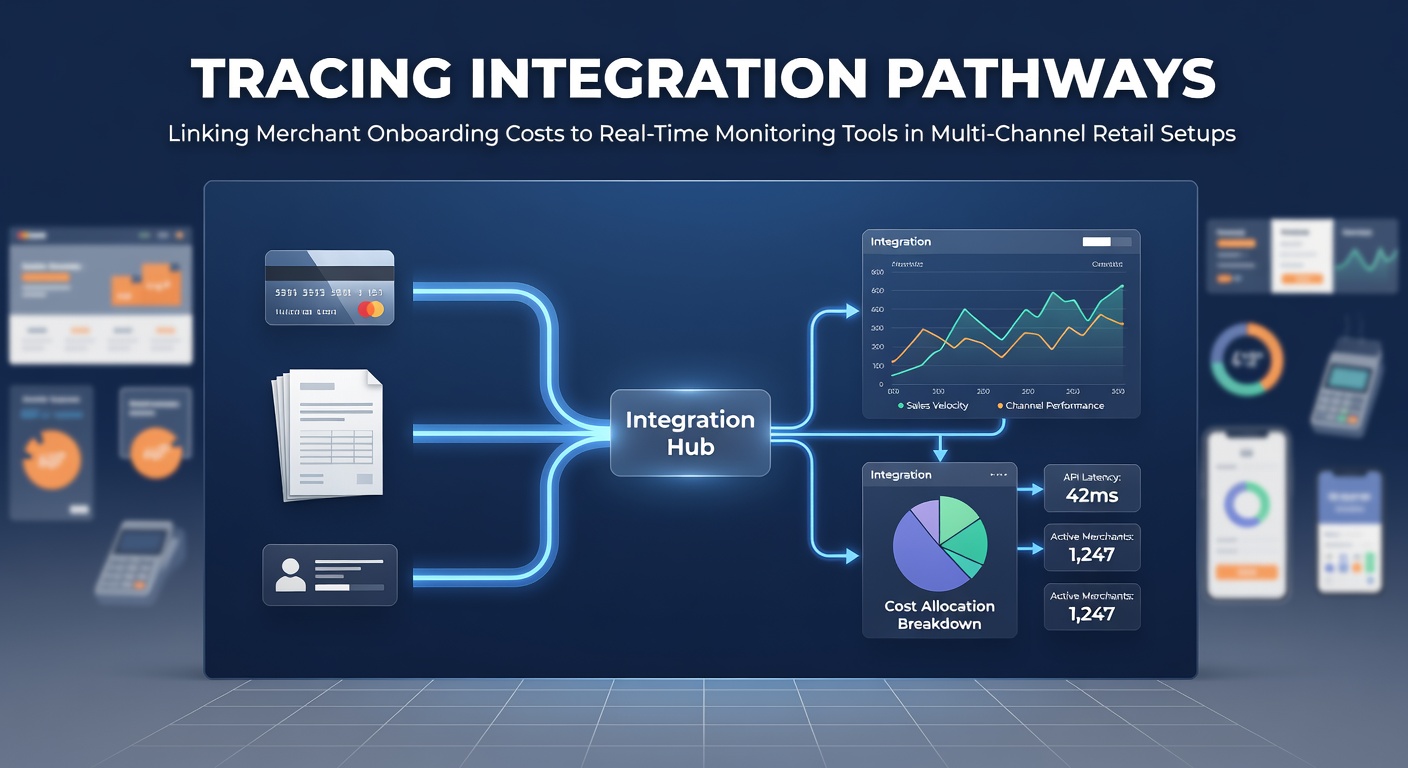
Retail operations across physical stores, e-commerce platforms, and mobile channels have created complex networks where merchant onboarding expenses intersect directly with real-time monitoring capabilities, and organizations track these connections through structured integration pathways that link initial setup investments to ongoing oversight systems. Data from payment infrastructure analyses reveal that onboarding processes typically account for 15 to 25 percent of total merchant service expenditures in the first year, with costs covering identity verification, compliance documentation, account provisioning, and initial system configuration.
Cost Components in Merchant Onboarding
Breakdowns of these expenses show several recurring elements, including fees for background checks that average between 50 and 200 dollars per merchant, platform licensing charges that scale with transaction volume, and integration testing periods that require dedicated technical resources. Observers note that multi-channel setups amplify these figures because separate configurations become necessary for point-of-sale terminals, online gateways, and in-app payment flows, each demanding distinct security protocols and data routing rules.
Pathways Connecting Onboarding to Monitoring
Integration pathways emerge when onboarding data feeds directly into monitoring platforms, allowing transaction patterns, risk scores, and compliance metrics to populate dashboards within hours of account activation. Research indicates that organizations investing in unified data pipelines during onboarding reduce subsequent monitoring setup times by up to 40 percent, since standardized merchant profiles eliminate redundant data entry steps later. In practice, these pathways often rely on API connections that transfer onboarding details such as business category codes, expected transaction ranges, and verified banking information into monitoring engines capable of flagging anomalies in real time.
Systems deployed in June 2026 began incorporating enhanced machine learning models that analyze onboarding variables alongside live transaction streams, producing alerts for potential discrepancies within seconds. Figures from payment network reports demonstrate that retailers utilizing these models experienced a 12 percent drop in false positive flags compared with earlier rule-based approaches.
Real-Time Monitoring Tools Across Channels
Monitoring tools in multi-channel environments combine elements such as velocity checks, geolocation verification, and device fingerprinting to maintain oversight across all touchpoints. These tools draw input from onboarding records to establish baseline expectations, then adjust thresholds dynamically as new data arrives. Experts have observed that retailers with strong initial data capture during onboarding achieve faster calibration of monitoring parameters, leading to more accurate detection of unusual activity patterns.
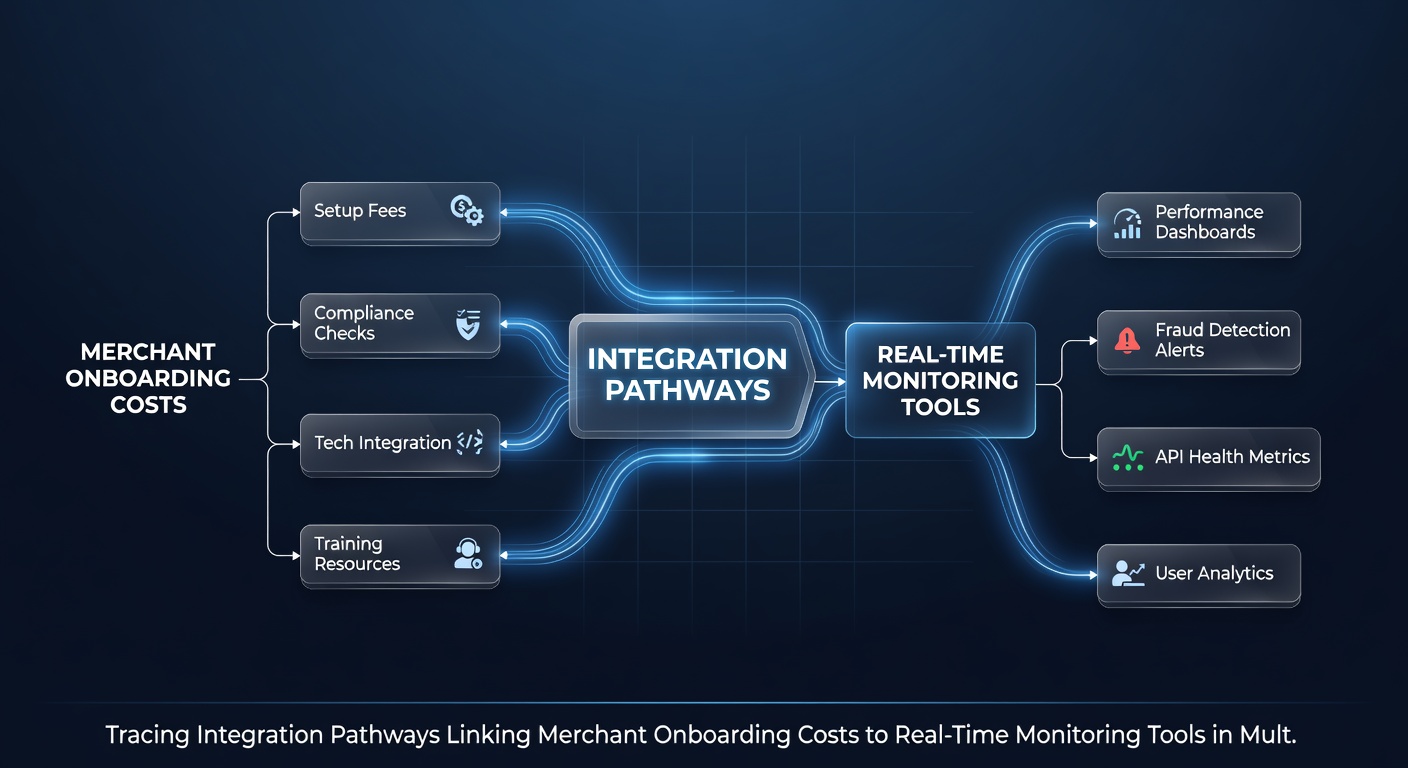
Take one retailer operating both physical locations and an online store who discovered that mapping onboarding cost categories to specific monitoring modules allowed finance teams to allocate budgets more precisely. The process involved tagging each expense line item with corresponding oversight functions, which in turn supported automated reporting cycles that updated every fifteen minutes.
Evidence from Industry Reports
According to analyses published by the Federal Reserve, payment system participants who maintain detailed onboarding records show improved performance in meeting regulatory reporting requirements across different jurisdictions. Another study from the Bank of Canada highlights similar patterns in North American markets, where integrated monitoring reduced reconciliation times between channels by measurable margins. These findings align with data released by the European Payments Council, which tracks cross-border retail operations and notes consistent correlations between upfront onboarding investments and monitoring efficiency gains.
Retailers managing high volumes across channels frequently implement staged onboarding workflows that prioritize data elements most relevant to monitoring, such as merchant category codes and historical chargeback rates. This sequencing helps control costs while ensuring monitoring systems receive high-quality inputs from day one.
Technical Integration Mechanisms
Technical mechanisms supporting these pathways include middleware layers that normalize data formats between onboarding platforms and monitoring applications, along with event-driven architectures that trigger updates whenever merchant profiles change. Studies indicate that event-driven designs lower latency in monitoring responses, enabling near-instantaneous adjustments to risk parameters when onboarding information is revised.
One study revealed that organizations adopting these mechanisms recorded average reductions in monitoring configuration errors of 18 percent during the first six months of operation. Observers note that such improvements become especially valuable in environments where seasonal fluctuations or promotional campaigns alter transaction profiles rapidly.
Conclusion
Integration pathways that connect merchant onboarding costs to real-time monitoring tools continue to evolve as multi-channel retail expands, with evidence from multiple regulatory and industry sources showing measurable links between initial data investments and ongoing oversight effectiveness. Retail participants who document and align these elements during setup phases position their systems to deliver consistent performance across channels.